1. FirstHand’s Program is High-Quality
Program quality measures indicate that FirstHand is delivering a high-quality program, based on the STEM Program Quality Assessment (PQA), a valid and reliable observational tool developed by the Weikart Center for Youth Program Quality at the Forum for Youth Investment. The STEM PQA measures the quality of STEM learning experiences for youth, including engagement, skill development, supportive relationships, and a safe, inclusive environment. Cumulative data from the STEM PQA show that FirstHand:
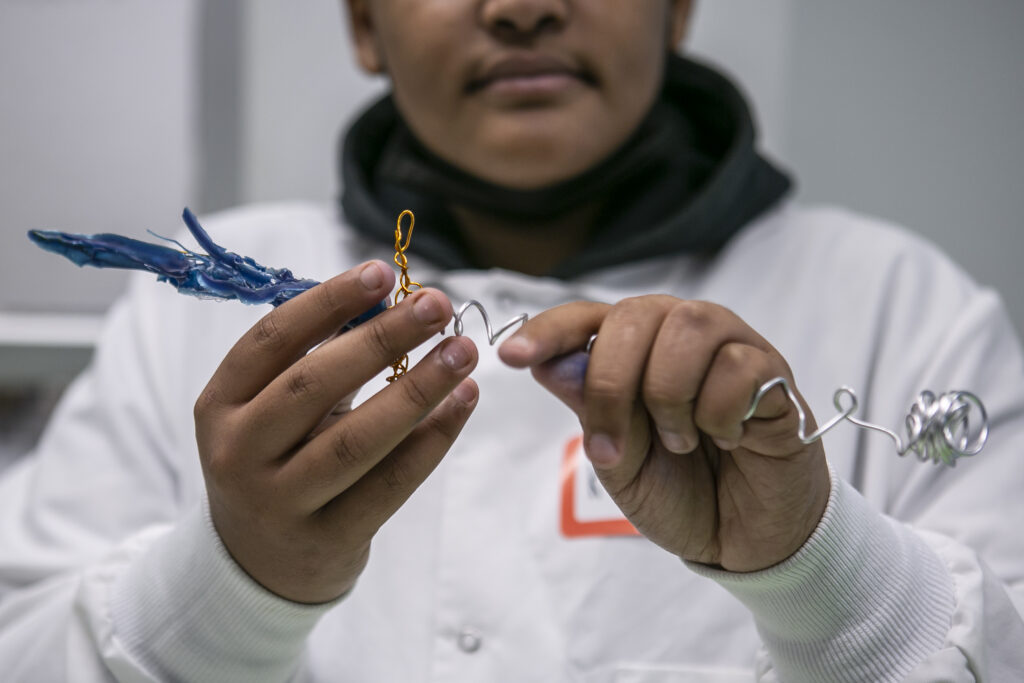
- Consistently excelled at creating a supportive environment for students.
- Demonstrated steady improvement in student engagement, particularly in offering opportunities for planning, reflection, and choice—growth that appears linked to intentional enhancements in the use of student lab notebooks.
- Showed overall gains in STEM skill-building, though some fluctuations were noted across specific time periods; growth was especially evident in the Connections and Scientific Reasoning scales.
- Identified opportunities to expand student interaction through diverse formats such as leadership roles and peer mentoring experiences.
2. FirstHand Is Implementing the Program as Designed
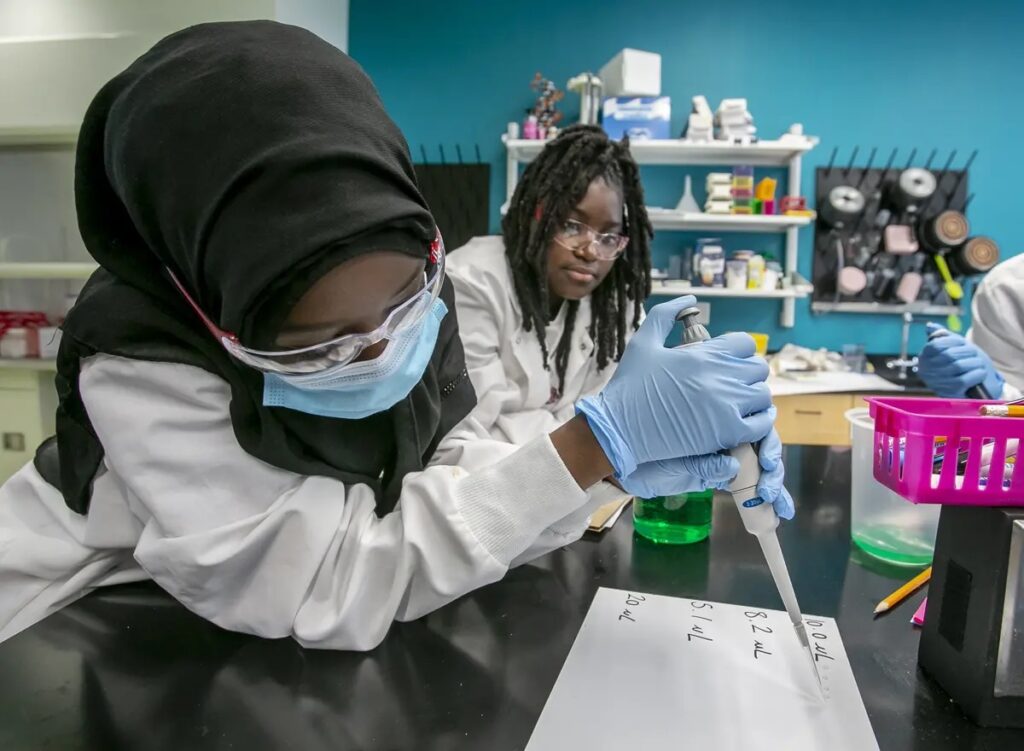
FirstHand has consistently delivered the program with fidelity, aligning implementation with five key components:
- Partnering with schools to identify student and community needs
- Equipping mentors through targeted training and support
- Facilitating a dynamic, 10-week hands-on STEM curriculum led by expert educators
4. Building meaningful mentor-student relationships throughout the program
5. Fostering student engagement, collaboration, and active participation every week
Across all years, Key Components 1, 3, 4, and 5 consistently met fidelity thresholds and emerged as strengths of the program. Key Component 2, Mentor Training, has been identified as an ongoing area of investment to ensure mentors are fully equipped with the knowledge and skills needed to engage with youth effectively. While FirstHand offered opportunities for mentor collaboration (e.g., donut drop-ins twice a year for mentors to sign up for volunteer opportunities and engage with one another), most surveyed mentors reported limited meaningful exchanges with peers, highlighting a continued need for structured, intentional opportunities to share practices and learn from one another.
3. FirstHand Inspires Positive Attitudes and Skills in STEM Learners.
Students reported that they:
- Enjoyed the program’s hands-on approach
- Felt supported and valued by facilitators
- Frequently experienced increased enthusiasm for science and greater confidence in their abilities
- Expanded their awareness of STEM career opportunities through mentor interactions
- Demonstrated modest growth in STEM skills overall
- Reported a slight increase in STEM attitudes
4. Industry Partners Experience Meaningful Impact and Growth Through FirstHand Mentorship.
They see:
- An opportunity to directly impact students by providing access to STEM professionals, exposing them to diverse careers and education pathways, and collaborating in hands-on scientific activities.
- A chance to reignite their own passion for STEM while strengthening their communication, collaboration, and leadership skills.
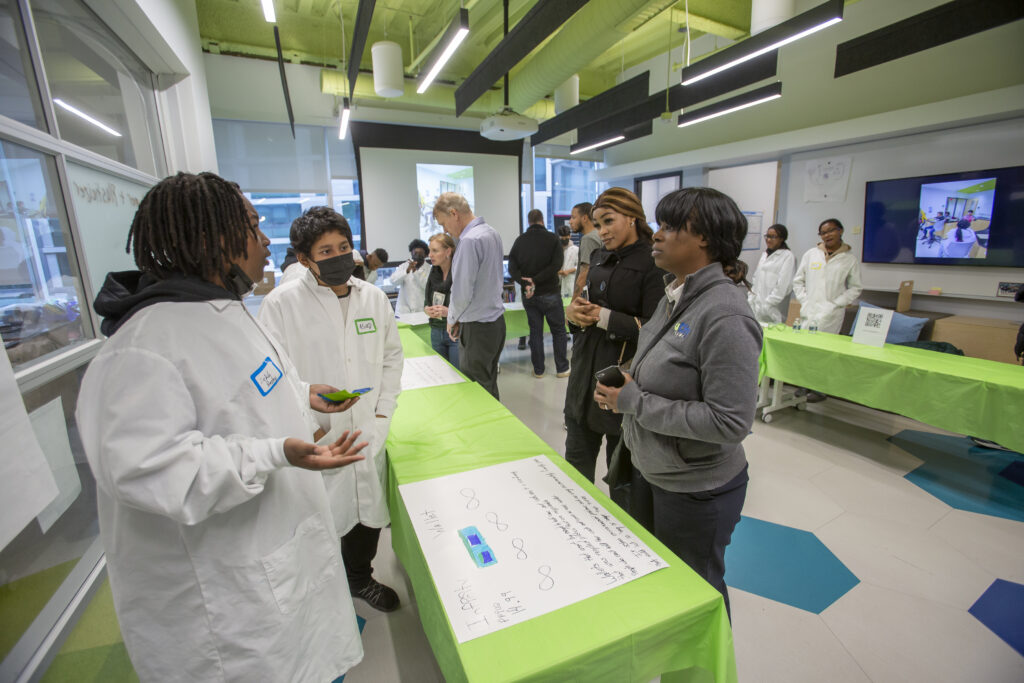
5. Schools Report Positive Partnerships and Enhanced STEM Engagement Through FirstHand
- Teachers expressed high satisfaction with the program and incorporated new ideas from sessions, such as lab activities and reflection practices, into their classrooms.
- Program liaisons noted that student interest in STEM is the primary factor guiding their selection of participants.
6. Parents and Caregivers Celebrate Student Growth and Advocate for Program Expansion.
Caregivers:
- Expressed pride in their students’ accomplishments, especially noting their confident presentations
- Observed increased student interest in STEM activities at home
- Voiced a desire for the program to expand its reach and diversify the activities offered